
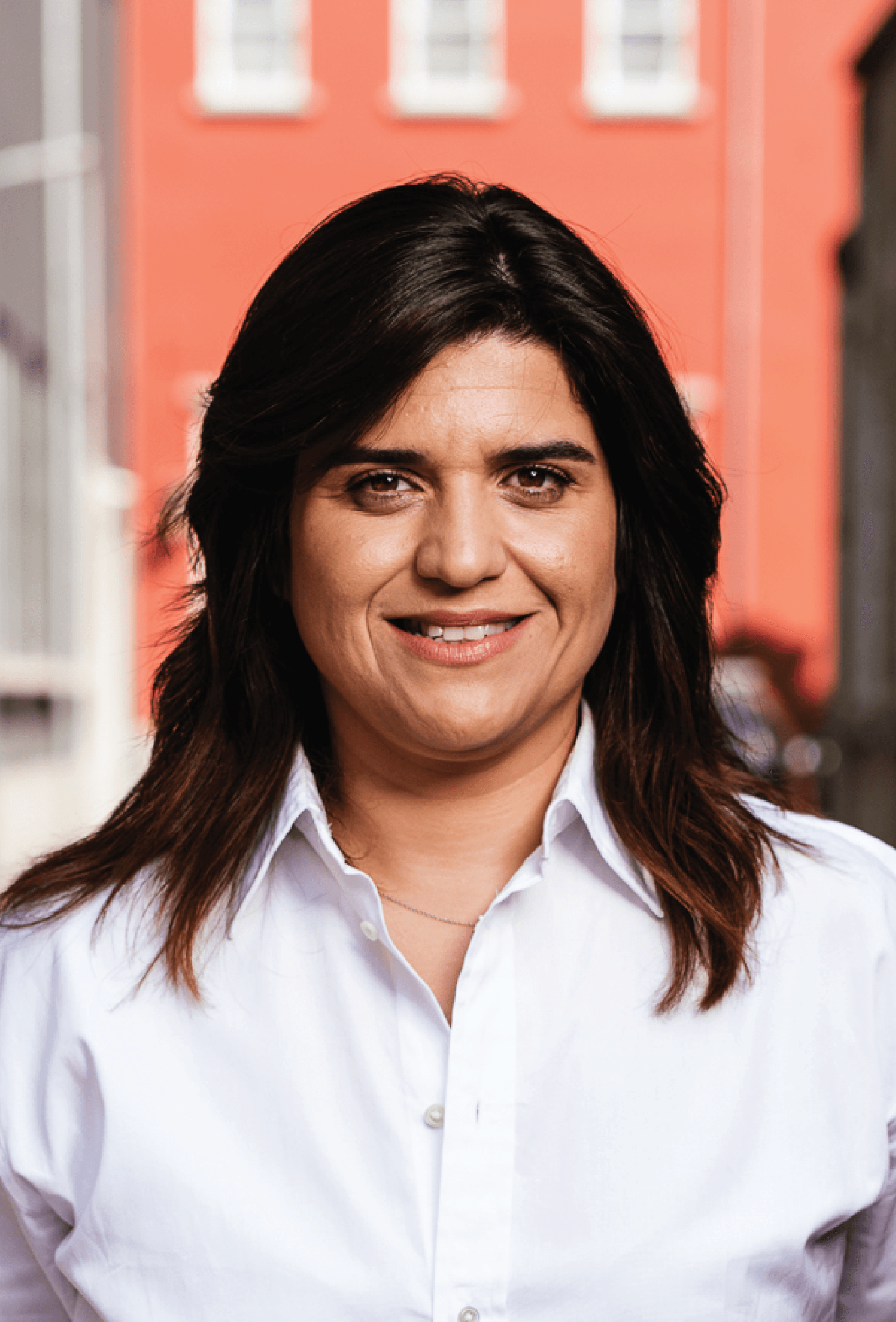
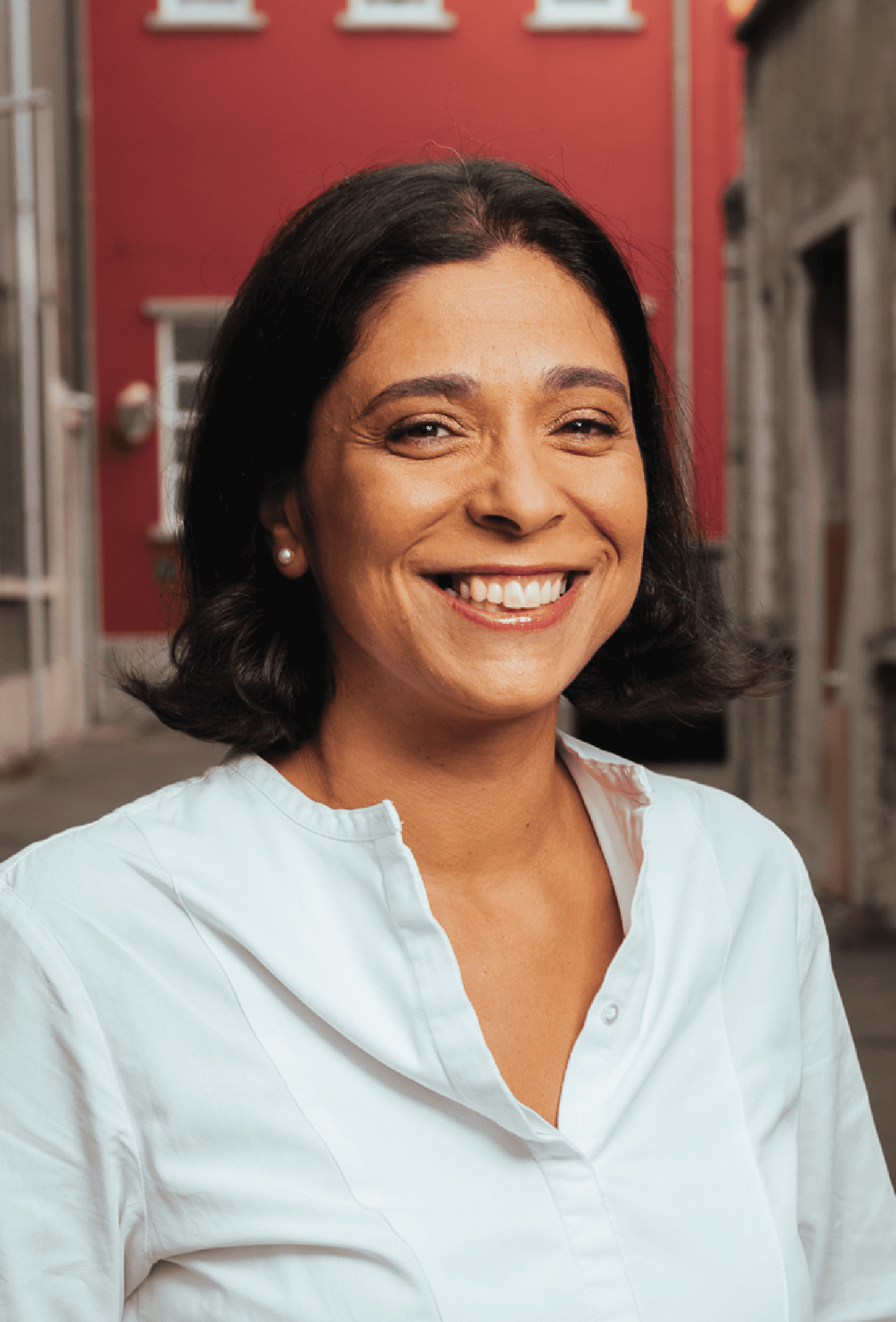

The boundaries of leadership have been re-drawn: beyond formal leadership, acceleration needs to be embodied by real leaders that emerge from the ranks, seamlessly shifting in as starlings in flight, showing true empathy and instilling trust in their teams. Resilient, flexible and agile, they become beacons of acceleration towards a common purpose.
Leadership during the pandemic
In the last decades we have been glorifying leadership as if it was something for the special ones. In reality, to go beyond we must see leadership as any other skill that can be developed and recognize that, in every situation, we can see new leaders emerging.
Take the example of the Portuguese comedian, actor, and writer Bruno Nogueira. In the early beginning of the pandemic, isolated with his three children at home and with his wife working abroad, Bruno started daily live streams on Instagram, at 11 p.m., to have a drink and talk with friends. What started as a simple gathering of friends, quickly achieved a dimension beyond what he could even imagine in his wildest dreams, as he publicly shared a few days ago.
This lasted two months, ending on the 15th of May with a national ovation. What Bruno achieved during this time was unique and created a sense of belonging within that group of loyal followers. With the only objective of gathering friends to chat and making some jokes, he created a movement, led by him. From donations to causes chosen by him, to the gathering of more than 170k people, at the same time, for a May Christmas Eve, Bruno was the man. Even Cal Lockwood, the music director and host of the Arctic Outpost Radio, in the North Pole, joined the party and saw his followers going from 3 to 50k in a few minutes, because it was shared in a simple conversation between Bruno and Nuno Markl, a loyal follower of Cal. With a blink of an eye, the world got smaller and the North Pole was just around the corner.
This is a simple example of how creating a common sense and talking to people as your equals is a form of leadership, even if you don’t have formal authority or established hierarchies.

To bring people together, leaders need to create a sense of belonging, impact and move people towards common goals. And, sometimes, the goal is only to have a laugh together to ease the pain and forget the reality outside.
On March 17th, Jaleo - a famous Spanish restaurant in Washington DC - closed its doors, after 27 years of activity. The official announcement was made by Chef José Andrés, in an emotional and personal note on his Instagram account. At the same time, José Andrés communicated that he would be feeding America during the pandemic, transforming his restaurants in DC into community kitchens, to help the ones in need. As he recently shared in an interview for Time Magazine[1], we are living a time where “(…) humanity is going to have to ask themselves:
“Who are our leaders? Are leaders the ones who give speeches or are leaders the ones who have the expertise and the boots on the ground to make things happen?”
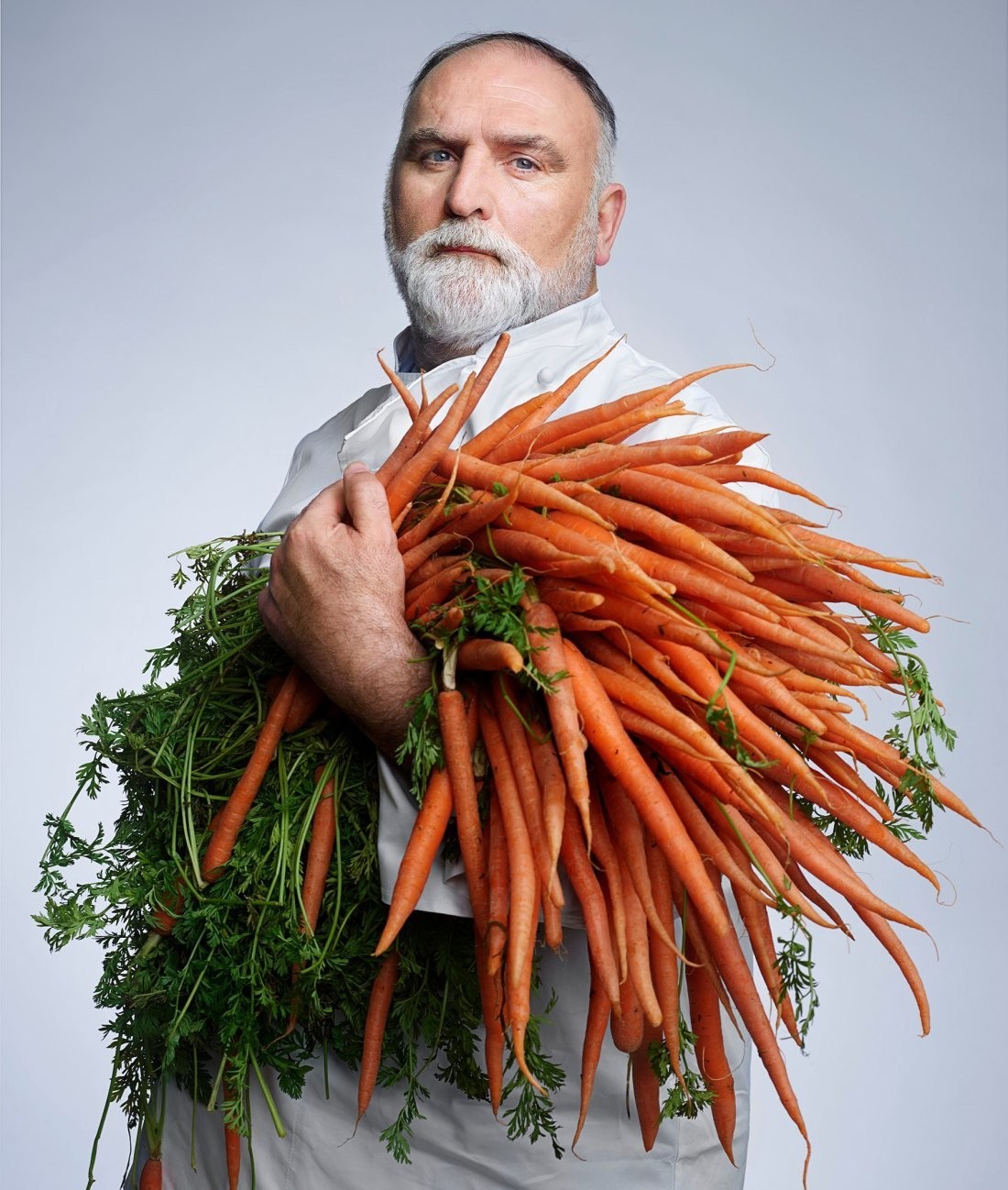
Maybe this question was already inside his mind back in 2010, when together with his wife, Patricia Andrés, founded World Central Kitchen (WCK), a non-profit organization with the mission to provide real meals in areas hit by a natural disaster. In the last 10 years, WCK served millions of meals across the globe, in many rescuing situations like the devastating earthquake in Haiti or the hurricane Maria, in Puerto Rico.
Holder of different awards and recognitions and the only Chef in the world nominated for the Nobel Peace Prize, in 2019, José Andrés is in the frontline to stop hunger in America, but also in giving hope to other chefs and restaurant owners. After the initiative #ChefsForAmerica, launched in March, WCK recently committed with $50 million to support local and independent restaurants, allowing it to be open and working, thus providing nutritive and healthy meals for the ones in need within their communities. This reflects José Andrés understanding of the restaurant business and the implications of the pandemic in an industry that employs millions across the globe. With WCK, he puts his art at service, being the first to go the ground, engaging people, reporting what’s happening firsthand, “being a lesson of leadership in crisis”[2].Openly critical about the country’s leadership, gathers consensus and has followers everywhere he goes. In his own words, the key to all this is empathy. “What we’ve been able to do,” says Andrés, “is weaponize empathy. Without empathy, nothing works.”[3]
When Jacinda Ardern took office in October 2017 as the youngest prime minister in New Zealand’s history, she could not conceive the great challenges ahead for her minority coalition government. Struggling to deploy the flagship policy on affordable housing, she still excelled in handling the terrorist attack on two Christchurch mosques and is being widely recognized as an example dealing with COVID-19. Through these challenges, what made Jacinda Ardern standout was the ability to be close to those in need and her decisive action to move forward and change.
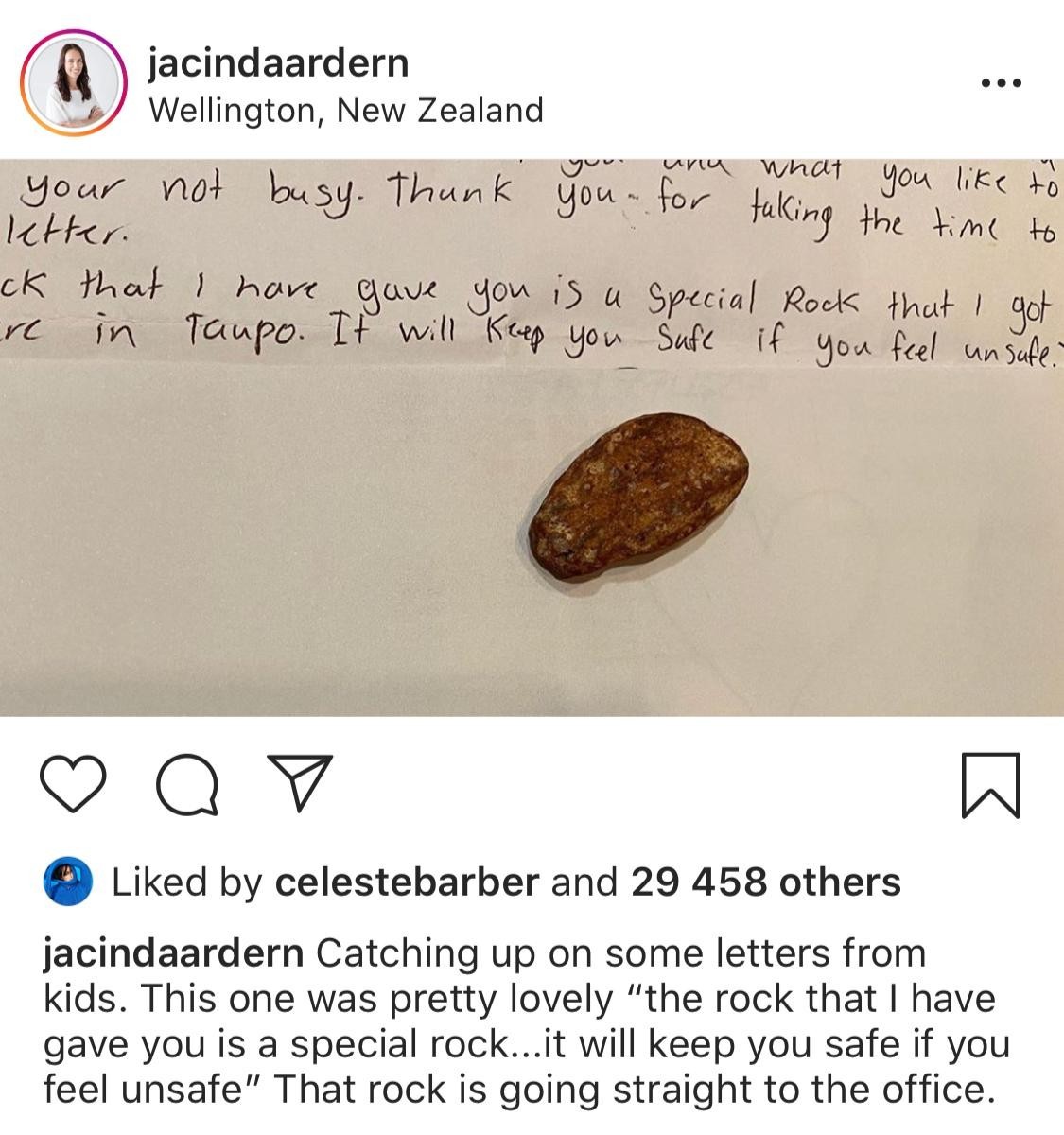
After the Christchurch shootings, it took less than a month to change the law on semi-automatic weapons. During the enforced lockdown, one could see Jacinda Ardern’s live videos, in a sweatshirt, explaining decisions and precautions to New Zealanders. At the same time, she was dealing with a crisis, she was building bridges with the people, answering to children’s letters and visiting local businesses.
Jacinda Ardern’s proximity and humbleness, admired in her country and now worldwide – her current approval rate is the highest in New Zealand’s history - has shown that leaders are humans like us, with fears and doubts, and we need to feel that they are listening and understand our fears as well.
So what can corporate leaders take from this?
While there is no obvious blueprint to follow, human leadership seems to be paramount. People and customers need to be put first and at the heart of how a business operates. The way companies treat their employees, particularly in times of need, is a real test of corporate purpose. Sensitive and adaptative approaches that aim for a conciliation between well-being, safety and productivity are vital.
Data reveals that 78% of individuals consider company’s primary role is to support its employees in times like these, and four-in-10 feel their company could have acted faster[4]. This is also a time where organizations need to care less about what customers can do for them, but instead what organizations can do for their customers. This shift will force brands to rethink their own value and purpose in a direction that better matches their customers’ needs. Interestingly, a Report[5] on how COVID-19 is shaping consumers has also revealed that customers are paying attention to how employees are treated. For instance, 52% of the customers described employers taking better care of their employees as “very important” right now. And 32% intend to buy from companies that took care of their employees during this crisis.
There are no rules to follow, but companies and Leaders that emerged in these challenging times have highlighted a set of skills that may pave the way for rewiring leadership. A recent small group survey[6] by pur’ple found that people from different parts of the globe are very consistent when asked to identify the behaviors leaders need to harness. These are behaviors also common in the actions of the leaders mentioned above:
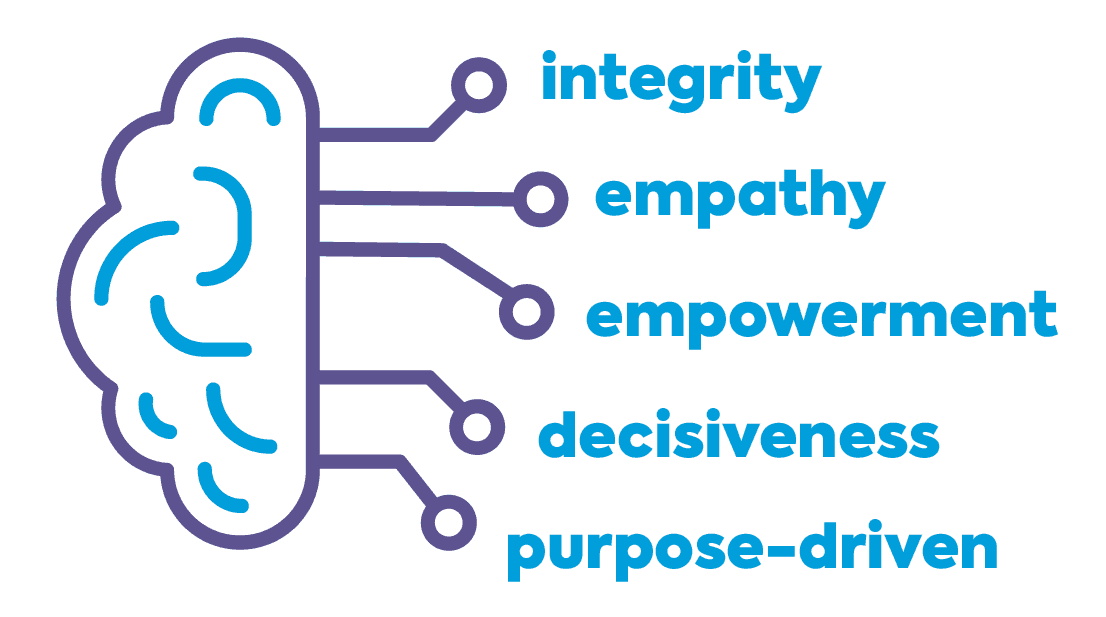
Integrity is about authenticity and honesty, transparency and being coherent in words and actions. It is about displaying an open communication, even when the message is hard. When Jacinda Arden announced the lockdown in New Zealand, she allotted a considerable amount of time to answer journalists after her statement, contrasting with other world leaders. This behavior is critical for leaders, especially in challenging and uncertain times, because people will follow the ones who communicate clearly, are truthful and authentic, giving them a sense of security and clarity.
Empathy is being able to put yourself in someone else's shoes, while trying to feel what they feel and not what would you feel with others’ shoes. It is about focusing on the human side of who you are leading and serving. When José Andrés communicated that he would be feeding America during the pandemic, helping others in need, he displayed true empathy and understanding about the needs of people that just lost their jobs and also restaurant owners and governmental authorities. Our heroes in this unprecedented situation, are people that with bravery and in an uninterested way cared for us, kept us safe and made sure we could still access to essential goods. Some did it whilst risking their own health, demonstrating an understanding and concern for others, while setting the bar high for leaders in all industries.
Empowerment relates to the enablement of individuals or teams. To be able to guide and delegate, providing the space for each to be at his best and grow in the process. This new reality forced some leaders to delegate and empower teams, trusting in their capacities. Either because they could not be in the frontline with them or just because remote work provides the space to perform and to take responsibility. In most cases, empowerment proved to be a success. In a fast pace world where employees demand more and customer change their preferences and choices quicker than ever, the organizational capability to respond is grounded on the ability to empower, to deploy and enable agile teams, providing guidance but also power to perform.
Decisiveness relates with the ability to make quick and confident decisions, with the information we have. Game changers in the COVID-19 context like Bruno Nogueira and corporations that shifted their business model and people management practices, not only survived but thrived. While some companies naturally benefited from their original setup and business model, others made incredible changes in a short period of time to keep their businesses alive, while providing for their employees, customers and communities. Some of these transformations are here to stay and will require a constant change effort that leaders will need to drive. Decisiveness was key in this context and will be in the future to lead teams because the rules of the game changed drastically.
Purpose-Driven, like we have previously explored in our article purpose is an imperative, leaders are a key lever moving towards the desired state and they have been beacons for that transformation journey. A purpose-driven leader will be able to convey alignment and a bigger goal for eager team members. This has never been so important - to fuel teams and engage customers. Purpose-driven leaders are not something corporations will aspire to have; it will be a basic asset and corporations will look for them not only in management functions but also across all organizational levels.
At pur’ple we strongly believe that leaders are scattered across organizations and in society, even when there is no formal authority. The challenge we all faced in the pandemic context has given a voice to these new leaders that emerged in the most demanding circumstances. Organizations must take advantage of this and rewire leadership, starting a path to “going forward” instead of “going back to normal”. This will bring them closer to success. Let that success be purposeful and a catalyst for a better society.
***
Read more about our Trends' formation of work articles:
chapter 1: Seven drivers that shape the future
chapter 2: Purpose is an imperative
[1] [2] [3] Sean Gregory, Apart.Not Alone, Time Magazine, March 26, 2020
[4] Porter Novelli COVID-19 TRACKER – Insights for a Time of Crisis (2020) – 360 online survey to gather people’s insights regarding coronavirus. The survey was fielded online using Engine’s online CARAVAN® Omnibus survey between April 1, 2020 to April 3, 2020, and a total sample of 1,004 U.S. general market adults was collected. The data were weighted to U.S. Census population estimates and the margin of error is +/- 3.1% at a 95% confidence level.
[5] COVID-19 Mindset: How Pandemic Times are Shaping Global Consumers, Global Report. A research from Fleishman Hillard’s True Global Intelligence. The study consisted of an online survey of 6,566 adults 18 and older in China (n=1,057), Germany (n=1,131), Italy (n=1,093), South Korea (n=1,043), the United Kingdom (n=1,123) and United States (n=1,119) from March 30-April 3, 2020.
[6] “Insights on Leadership Recognition” by Sara Romeiras