

In the 2014 Winter Olympic Games in Sochi, the Russian men's ice hockey team was set to win it all. The team had star players from the National Hockey League in North America and the Kontinental Hockey League in Russia and playing at “home” supported by their crowd, fans thought the gold medal was a sure thing.
Even Russian President Vladimir Putin stated that the success of Olympic Games – which cost around $50 billion – depended on the triumph of the Russian men's hockey team. Not long into the tournament, however, it became clear that the team might not live up to these high expectations.
Players who were top scorers on their professional teams didn't score, and despite all their individual drive and talent, the team was eliminated from the competition before the medal rounds even started. As that wasn´t enough, their final defeat was by the Finnish team, a previously unknown group of third and fourth-line professional players. Everyone was speechless: how on Earth could this team have failed so badly?
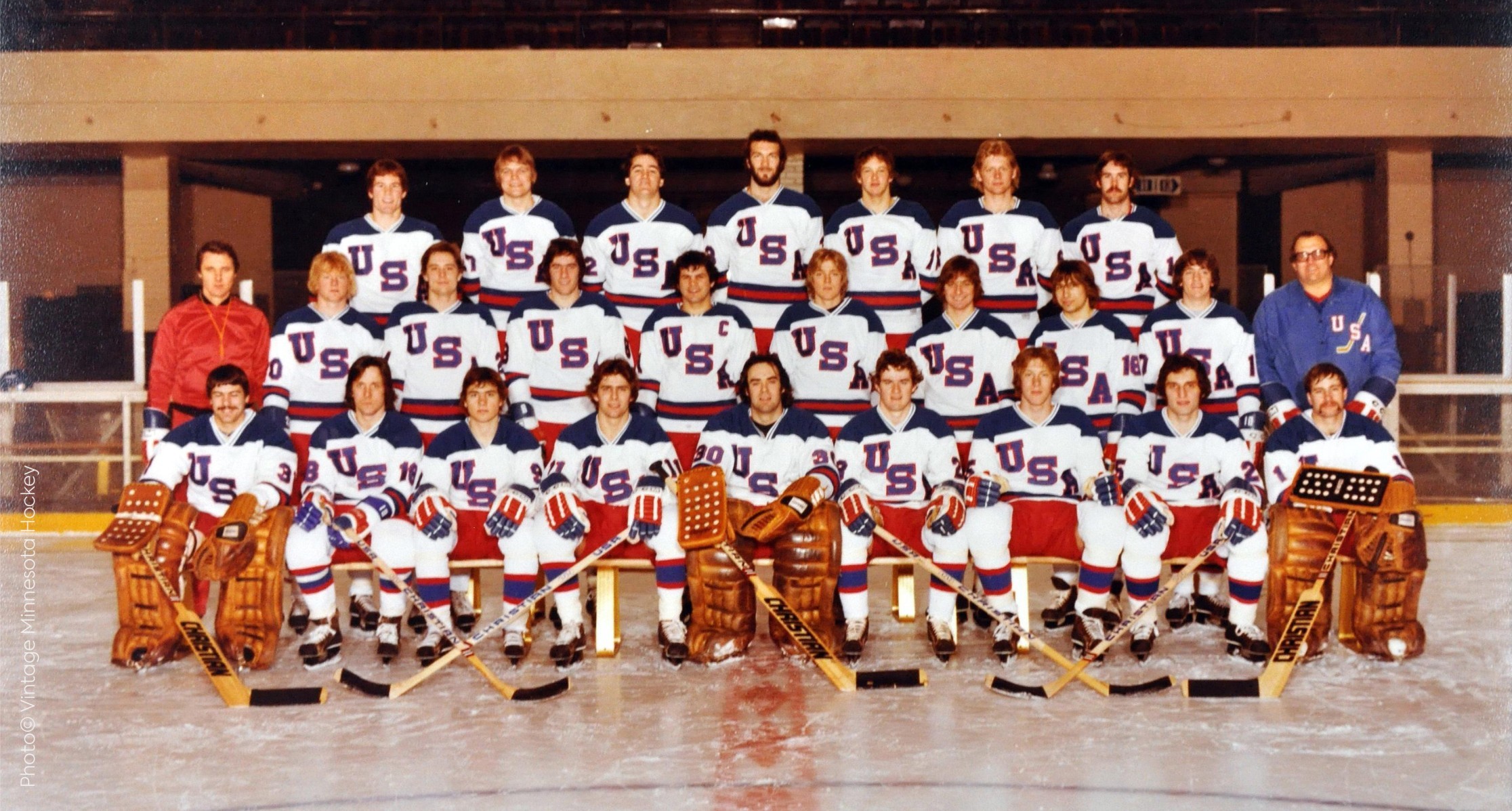
By contrast, over 40 years ago, a hockey team from a different country had the reverse experience. Known for the "Miracle on Ice", the 1980 US Men's Hockey team, buildup of amateurs and college players, rose above all probabilities and won the shiny yellow medal that year[1].
Why do these episodes keep happening? What is turning the odds around? Well, the answer is old but gold: the difference between individual talents and talented teams shows that a team’s collective intelligence is a much stronger predictor of team performance than the individual ability of team members.
The power of Collective intelligence includes a group's capability to collaborate and coordinate effectively, and this is often much more important for group performance than individual ability alone. In other words, just having several smart individuals may be useful, but it is certainly not enough, for creating a smart group or a smart organization[2].
So, why aren’t companies turning the odds in their favor already? When you look at organizations today, you can see that executives and senior leaders giving the orders and monopolizing the decisions continues to be the most common way to run a business. But this regular top-down approach is not the most efficient or successful dynamic when it comes to the way businesses are evolving.
According to MIT organizational theorist Thomas Malone, most of us are still victims of a centralized mindset, the concept that the right thing to do is placing someone in charge in order to manage the core aspects of a business. He calls our attention to look at the several new ways of organizing that let more people to have more involvement in decisions and for better results[3]. As Steve Jobs once said:
“It doesn't make sense to hire smart people and then tell them what to do. We hire smart people so they can tell us what to do”.
The unleashing of this philosophy is already showing its reach. In 2015, Zappos decided to test and adopt a flat organizational structure referred to as "holacracy". Guided by CEO Tony Hsieh, the company abolished the manager role, got rid of job titles, eliminated its organizational hierarchy and adopted a revolutionary new system of self-governance. Automattic, the company that created WordPress, only employs around 200 people and all work remotely, with a highly autonomous flat organizational structure.
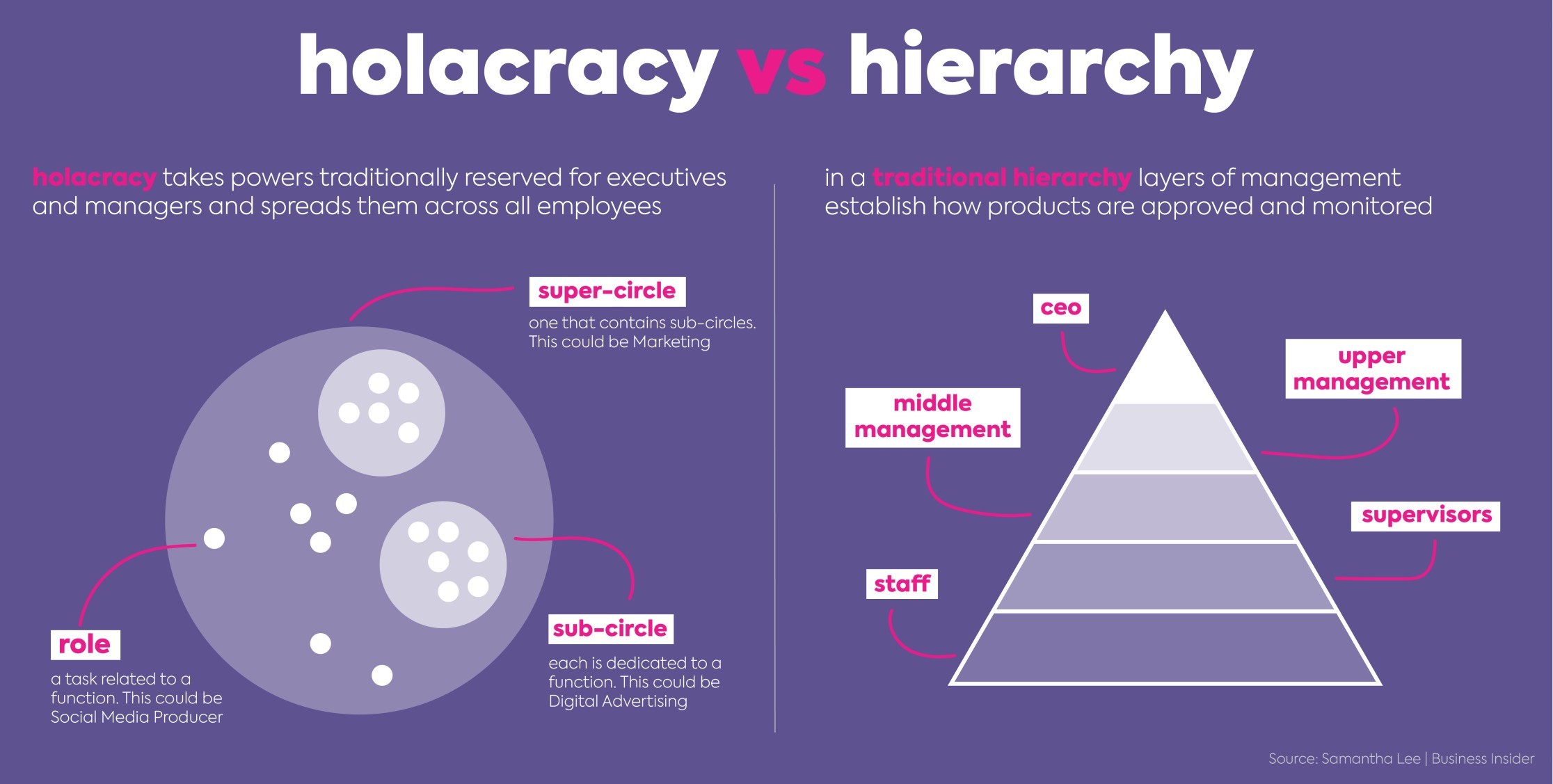
Although you will not find that many cases (yet), when you look at the core business models of the world’s greatest companies, you realize that the best way to gain power is to give it away. Pierre Omidyar, the founder of eBay, and the CEOs after him that led the company, were brave enough to give power away to their customers and were rewarded with a different kind of power. Wikipedia, a platform that we all know and use, is a website where its power is decentralized in each one of us in order to improve it. Google, Uber, Airbnb, Reddit, Youtube, Facebook, Twitter…all companies where the power lies on a collective force of customers and users.
Sure, this decentralized decision-making process and governance can’t be applied in every situation. In manufacturing or construction companies, for example, the major results come from things like economies of scale, and we may experience a centralization power to take full advantage of that.
But when considering knowledge-based and innovation-driven companies, in R&D or high-tech industries, the critical aspects of business success are regularly the benefits that result from decentralized decision making: creativity, freedom, motivation, flexibility.
And yes, this new era of companies we are living in asks for a different kind of Leaders as well. Leaders have to be facilitators, not dictators. On the contrary of what we are used to and might think, new leaders are neither in the front ordering and giving specific instructions nor in the back not letting any man behind, they must lead from the middle in a roundabout way.
So, if the largest and most disruptive organizations in the world are the ones in which business models are leveraging the power of many, why are companies still centralizing the process of learning in a few people? Why don’t companies change the way their people learn and share knowledge already?
At pur’ple we believe this is the main competitive advantage of the future: the ability, rate and pace of learning of each organization.
Can you imagine a company capable of leveraging what every single of its employees learn every day? Where everything learned individually becomes organizational knowledge? This is the sweet spot, the place where you will be able to unleash the power of Collective Intelligence through the knowledge of a Collective Brain.
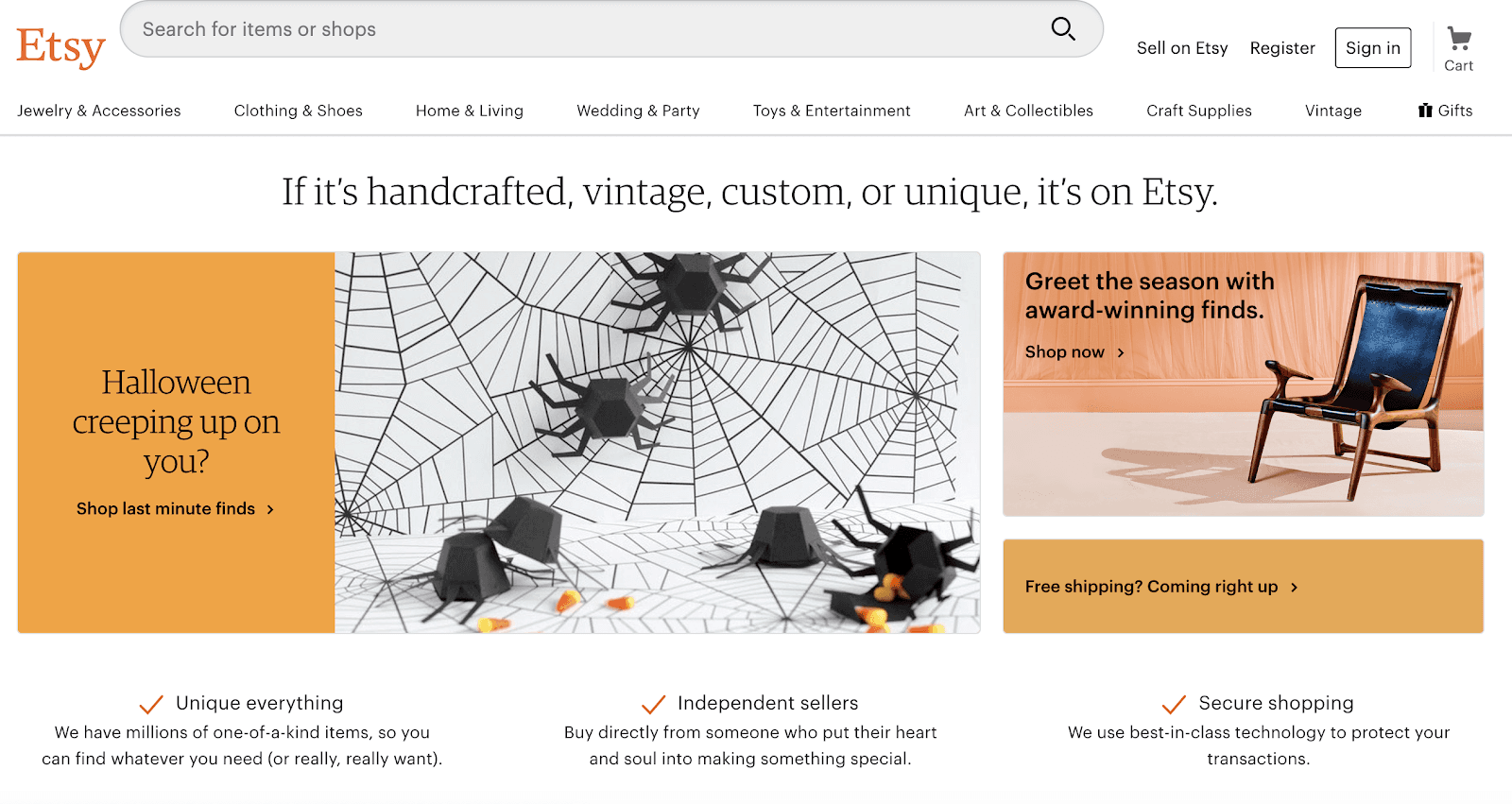
Etsy, an e-commerce marketplace focused on handmade or vintage items crafted by suppliers, with annual sales of almost $4 billion/year, is on the right track. At “Etsy School”, employees are empowered to learn from others at all different levels within the company. It is unlike most company programs, because in this program employees both teach and learn in classes of wide range of topics, from tap dancing to negotiation skills[4].
Companies able to create and deploy this process of learning through a Collective Brain will have an incredible competitive advantage. They'll grow or be replicated by lots of other similar companies. And eventually, the old companies that haven't figured out how to get that sweet spot will feel the turbulence sooner than later.
Organizations are aware that learning is important, and that is why they invest a substantial amount of resources in protocols with universities, mentoring programs, designed programs and knowledge management systems. However, analysts estimate that Fortune 500 companies still lose a combined $31.5 billion per year from employees failing to share knowledge effectively. This huge number is related to employee’s productivity costs when they repeat others’ mistakes, try to recreate the wheel, or waste time searching for information already searched[5].
The simple answer is that the old model is no longer good enough. Learning and Development (L&D) units can´t keep up with the pace of change, both indoors and outside their companies. It is just not possible for them to know all the latest changes and trends – some of which may have only happened the night before – design programs based on these changes and, finally, deliver it within days in the tools and apps employees are using for their work. This is an impossible mission (even for Ethan Hunt, aka Tom Cruise).
A recent study shows that 88% of employees at all levels prefer self-chosen and directed learning opportunities. People expect to learn on an ongoing basis from being always connected to mobile devices, no matter if it is through articles, videos, podcasts, group chats or even informal conversations [6]. As so, the role of organizations is being able to provide autonomous and independent learning opportunities that allow employees to lead their own professional growth.
Tools such as Fuse allow employees to easily and quickly create, share and discuss learning content within the company context. This user-generated content is increasingly important even for employer branding purposes. Panasonic, for example, had a 24% increase in employee retention when started using Fuse.
But employees also need access to external content, and it is just not enough to google it when you need something. How do we know what we need to know? We will never be able to read the thousands of articles and news published daily. What we need is a filtered briefing, a view that gives us some context and then we can decide what to ignore or explore as we need. The nature of these filters may vary but can include friends, colleagues, experts, news or algorithms based on our needs and interests.
Continuous learning is collaborative, and it involves all stakeholders from customers to managers and learners themselves. It is about leveraging collective knowledge and L&D is increasingly the enablers not the providers. What L&D units can do is empower employees, and encourage them to discuss, share, learn and curate knowledge every day.
No one is as smart, or as knowledgeable, as everyone. The ultimate challenge is not only to encourage employees to explore and discover from anywhere but also giving them the tools, space and time so they can, comment, highlight, save and share content. Other stakeholders – such as L&D – can review, curate and add value in organizing and structuring the knowledge created in the entire organization, across levels, functions and geographies.
According to the philosopher Pierre Levy, collective intelligence “is an intelligence distributed everywhere, constantly valued, coordinated in real time, which leads to an effective mobilization of competition. The goal is recognition and mutual enrichment of people”. Therefore, the intelligence that emerges from multi-connected-brains will become the superpower everyone will chase.
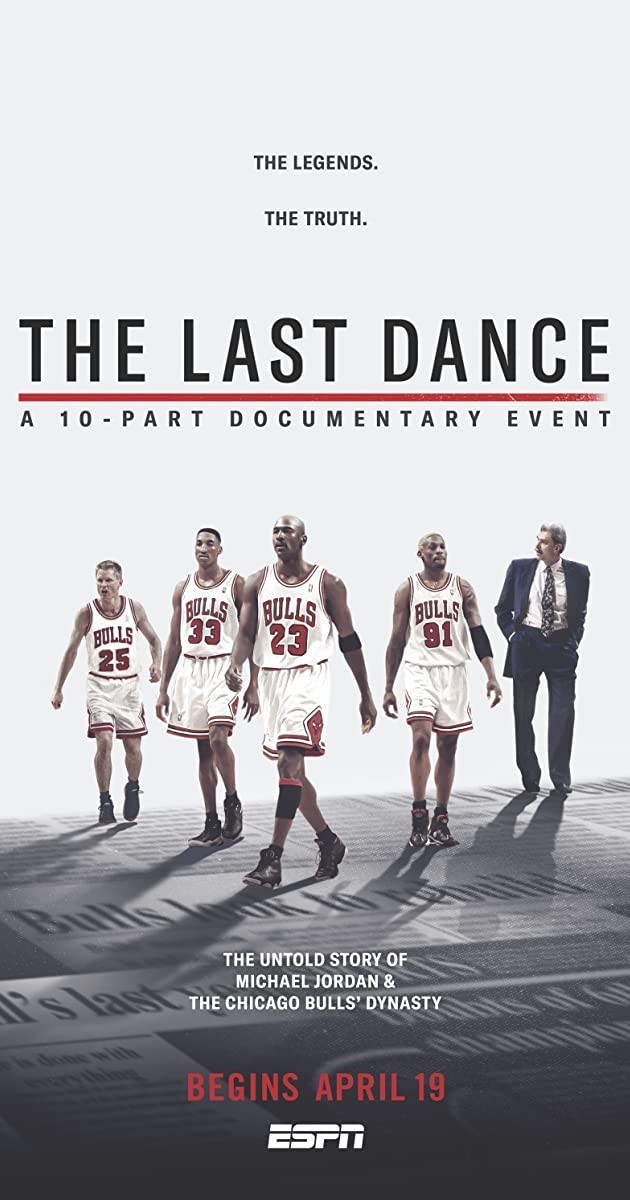
As Michael Jordan (MJ) said “Talent wins games, but teamwork and intelligence (aka Collective Brain) wins Championships”.On ESPN and Netflix documentary on Jordan’s career[7] – The Last Dance – we saw how during the Doug Collins (coach) era, the playbook was all about passing the ball to MJ and letting him do his magic. How far did that strategy get the Chicago Bulls? They were only able to make it to the Eastern Conference Finals during Doug’s years as a head coach.
When Phil Jackson replaced Doug Collins and took over the head coach duties, he implemented the triangle offense strategy, which is designed to allow every player on the pitch to contribute, while leveraging each player’s strengths. This method highlights team offense and allows players to design the best play depending on the alternatives available, and not just relying on a set of plays. This is why not all the last second wining-games shots were made by MJ, but by the best possible choice at that moment.
And the rest is history (at pur’ple we are not spoilers).
The future of successful business lays down in the agility of connecting its people’s minds so that collectivity can become organization’s secret weapon.
The power of a functional Collective Brain is yet to be fully discovered but at pur’ple we believe it will continuously upgrade your company to the next level so it can keep dancing for a long time, or even play the song.
Read more about our Trends’formation of work articles:
chapter 1 – seven drivers that shape the future
chapter 2 - purpose is an imperative
chapter 3 - rewire leadership
chapter 4 - organizations become ecosystems
chapter 5 - digital as a human experience
chapter 6 - go beyond the workspace
[1] Handbook of Collective Intelligence, Thomas W. Malone, Michael S. Bernstein
[2] Collective Intelligence and Group Performance, Anita Williams Woolley, Ishani Aggarwal, Thomas W. Malone
[3] MIT Center for Collective Intelligence
[4] Etsy News “About us: Etsy School”
[5] Harvard Business Review, Is Your Company Encouraging Employees to Share What They Know? Christopher G. Myers
[6] Towards Maturity Research: https://emeraldworks.com/
[7] The Last Dance: Episode 4