

We believe HR should become CPO.
If there was any doubt to the paramount importance of the HR function, the Coronavirus outbreak has created the conditions to clearly differentiate those leaders who have put people’s safety above all, who have dug the teams out of panic, who have accelerated new ways of working and clearly contributed to focus and kept them moving. These have earned the right to be at the Executive table. They have fought the battle and won.
There is, however, a dual responsibility in this process. HR must seat at the table, but it is paramount to have that drive and to fight for it. Some might still say the HR role should remain aside but even in that is the case, history tells us that some amazing achievements were made from people outside their comfort zone or even outside what was considered their role.
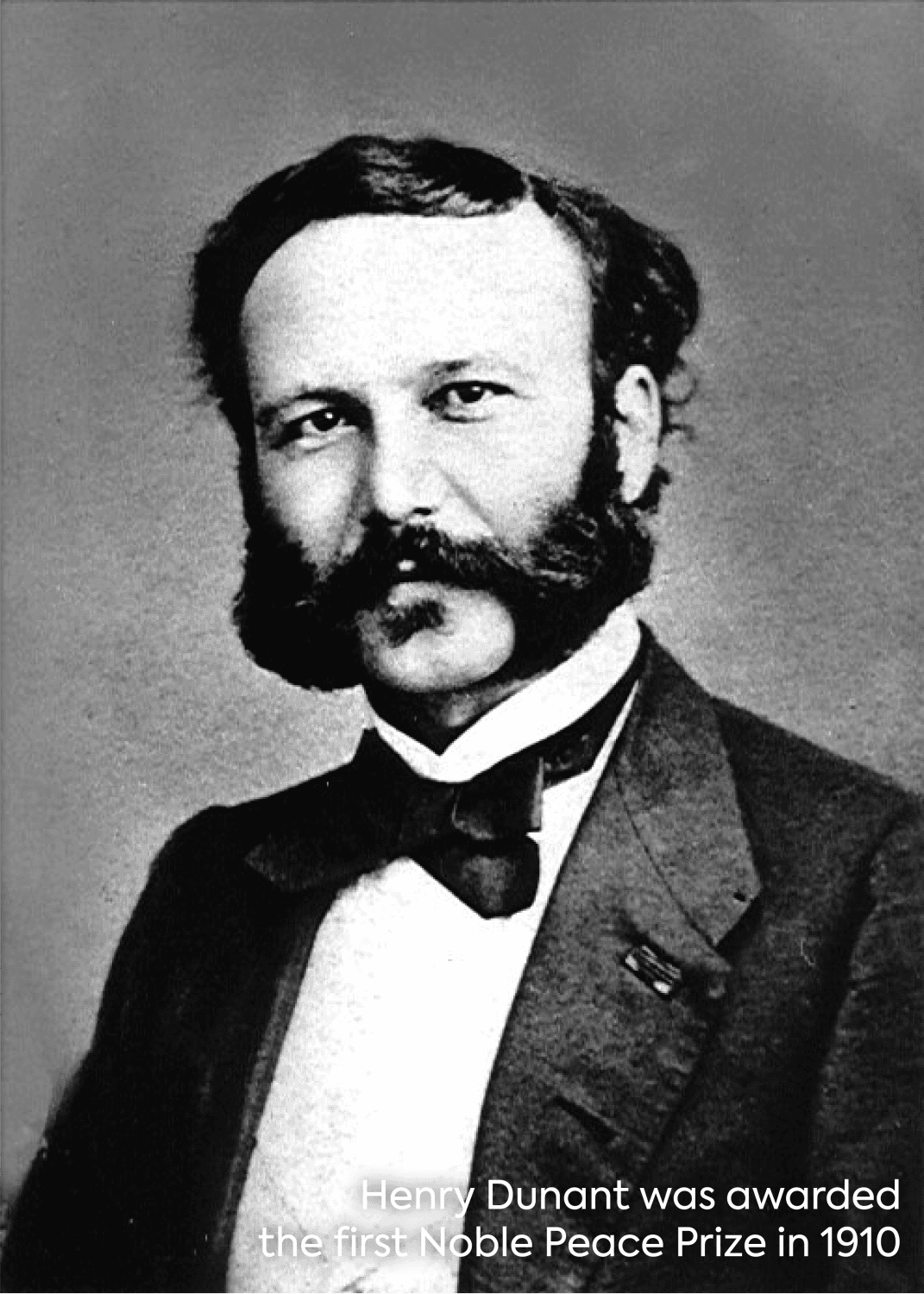
In 1859, Henry Dunant, a businessman traveling through northern Italy witnessed the suffering of wounded soldiers in the Second Italian War of Independence. He immediately organized aid groups to support wounded soldiers, regardless of the country they fought for. He later wrote a book “A Memory of Solferino, which contained a plan: all countries should form associations to help the sick and wounded on the battlefield - whichever side they belonged to.”[1].
This book led to the birth of the International Committee of the Red Cross in 1863, and the adoption of the Geneva Convention in the following year.
The last months have pushed the HR role to the frontline and the traditionally defined support HR Leader has had the opportunity to be core adapting corporations to a new context. Professor Konstantin Korotov from ESMT Berlin framed this very well saying:
“Many of the HR professionals have managed to step up to the current crisis and reinforce their importance for the smooth functioning of organizations during the difficult times […] most of them have once again visibly demonstrated their contribution to the survival and further development of their organizations […] and should use the momentum and their current visibility and power to drive the transformational agenda in their organizations.”[2]
This is the time for HR leaders to step up and lead business transformations. They will be asked to by board members to do so but we believe HR leaders should already be there. We believe HR should become Chief People Officer (CPO).
Becoming CPO reveals an increasing responsibility to address challenges we believe will be on the HR agenda:
1. The rise of purpose
Purpose is increasing its importance. In our second article – purpose as an imperative-, we mentioned that “An integrative way to move forward would be to create an approach focusing on how individual and organizational purposes can align, fostering greater meaning. Seeing such a bigger purpose would allow individuals to find meaning in their work and organizations to establish the conditions that allow such workplaces to flourish.
The HR role needs to be part of this movement, and for this, needs to go beyond its transactional role and act as a leader of this transformation, guaranteeing a seat at the table.
2. Mens sana in corpore sano: Mental health perceived as essential and as important as physical health
As a side effect of the pandemic, we are living with more anxiety and being challenged to deal with ambiguity beyond what we used to consider “normal”. A research from LinkedIn and the Mental Health Foundation showed that, in the current context, 56% of people are feeling more anxious or stressed, 24% are struggling with their mental health and nearly a third (31%) are having difficulty sleeping.
In the beginning of the lockdown, companies demonstrated a concern to approach health in a holistic manner, providing resources and tools to help people better cope with the uncertainty we were living. From preparing and distributing guides on how to “Effectively working through COVID-19” - check page 13 of the AstraZeneca's manual below -, to online physical training, mindfulness sessions and psychological support, organizations ensured emotional and mental health support to their workforce, realizing that, to keep business going people needed to feel safe at all levels. As we return to the office and our regular lives, we see this trend is here to stay.
As a top priority, and besides the need to guarantee a safe return, HR needs to create conditions and equip people to deal with all the collateral damages of the pandemic. This goes from the identification of flaws in the system, like which benefits are we providing, to creating environments where people can openly address and share problems openly, despite its nature. Creating working environments where people are aware of what’s happening with others, are empathetic and have the tools to act is more crucial than ever.
3. Communicate more, better or closer
Keeping employees engaged has been a concern for companies in the last decades, with huge investments in initiatives to maintain people informed and, in the end, happy. In the current context, where uncertainty is here to stay at all levels, engaging employees is critical as the working framework is shifting at a fast pace.
As HR broadens its spectrum, the importance of aligning messages and communicating clearly rises. This means that internal communication must go beyond the business as usual and the fun part and give answers to peoples’ real concerns. Microsoft has made this shift during the COVID-19 crisis: “We wanted to be able to bring everyone together virtually in a way that would allow our leaders to share their thoughts with employees, but also to address many of the hard questions that we knew employees were asking (…)We wanted to share a moment where we could talk about how we were mobilizing our response to COVID-19 across our employees, customers, and our communities (…) We use these meetings to have a reoccurring dialogue with our employees that centers around the company’s mission, its aspire-to culture, and its strategy.” This is a statement made on April 22nd, days after a town hall that gathered all 151.000 Microsoft employees around the world.[3]
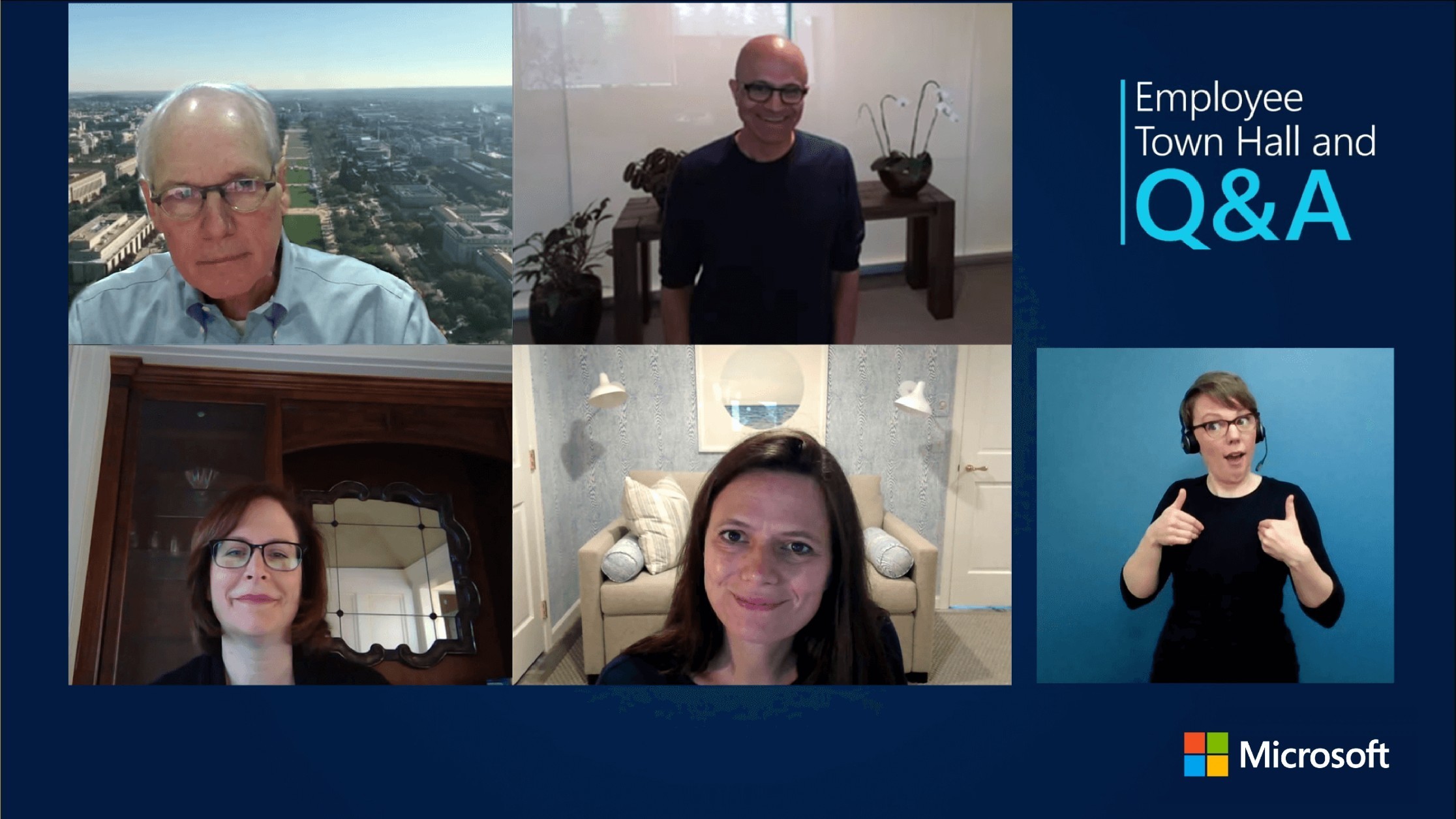
This means that organizations need to create new, better and closer ways to connect with people, keeping channels open to engage and align employees on purpose and business transformation.
4. Organizational agility is critical
The capability to rapidly shift priorities, to be fast, experience new ways of working and achieve transformation goals is a key lever for business success, particularly in a crisis. The context corporations are experiencing has made this statement very clear and accelerated the need to incorporate Agility as a core competency.
It is interesting that in a survey by the Agile Business Consortium, COVID-19 appeared as the top driver for the Agile transformation in organizations. It was not the CEO or the COO. It was the challenging context that was being led, in most cases, by HR.
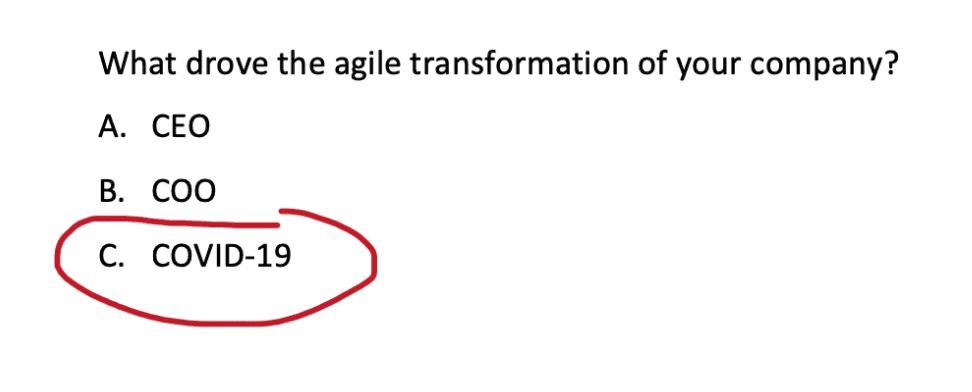
It is also interesting that the major concern for the future regarding Agility was if these learnings would be sustained after the world “returns to some level of normality”. And leaders are expecting the HR role to continue the legacy of Agility they were able to achieve during the pandemic.[4]
5. Redefining “critical”: from roles to skills
On January 22nd, 2020, in Davos, the World Economic Forum launched Reskilling Revolution[5] , “a multistakeholder initiative aiming to provide better education, new skills and better work to a billion people around the world by 2030.” Even before the pandemic, there was a consciousness that “almost half of the core skills required across all roles will change and a positive outcome will require skills that are neither currently common in the workforce, nor likely to be available in the near future through current educational systems and workplace practices.”
When the world stopped, our concepts of core and important changed. As a significant part of the workforce started to work remotely, “essential” became the word. Workers across all sectors, from health to supply chain, kept the world moving. But, after more than six months, “essential” became the “new normal” and organizations need, more than ever, to focus on the “skills” rather than the “roles”.
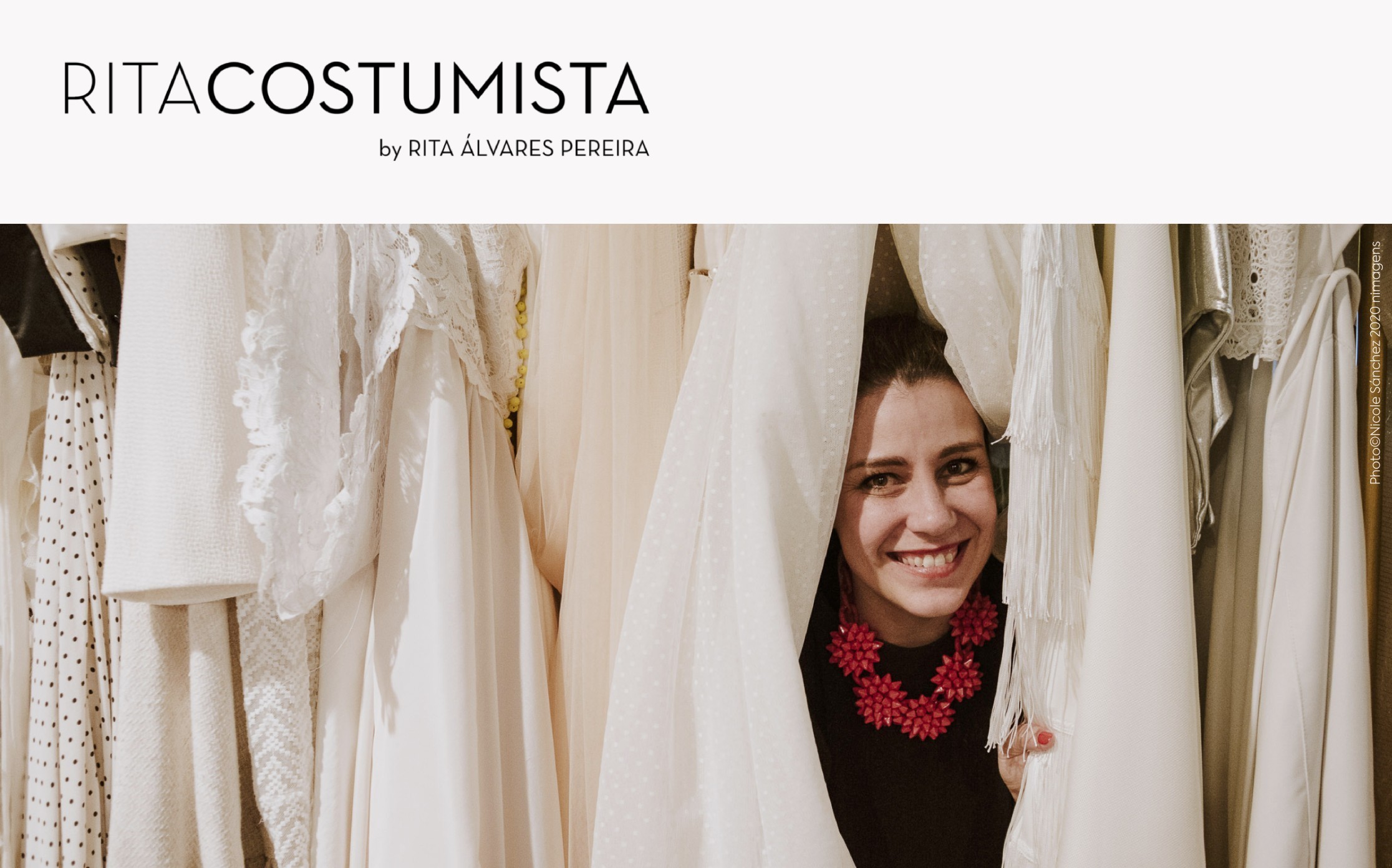
Take the example of Rita Costumista, a wedding dresses designer based in Lisbon, that put her skills at work and started sewing and selling masks during the pandemic. In a moment where her business was suspended, Rita reinvented herself and put her skillset to the service of society.
Organizations will need to be more like Rita and focus on their skill set to adapt to the context, rather than focusing on organizational structure and roles.
Redefining “critical” requires organizations to design a skills-based plan and a shift in the way they think about development to prepare for people for the future. At the same time, aligned with this shift, the learning and development processes and initiatives need to be reshaped, empowering people to drive their growth and path.
No one better than HR will be able to make this shift and redesign what it means to be essential, at all levels and in any context. HR needs to drive this transformation: defining critical skills to address its strategy and creating learning organizations that work as a collective brain and thrive in any context.
6. Innovating innovation
People working remotely, forced during the lockdown or by choice, reported higher levels of productivity. This is not a fad.
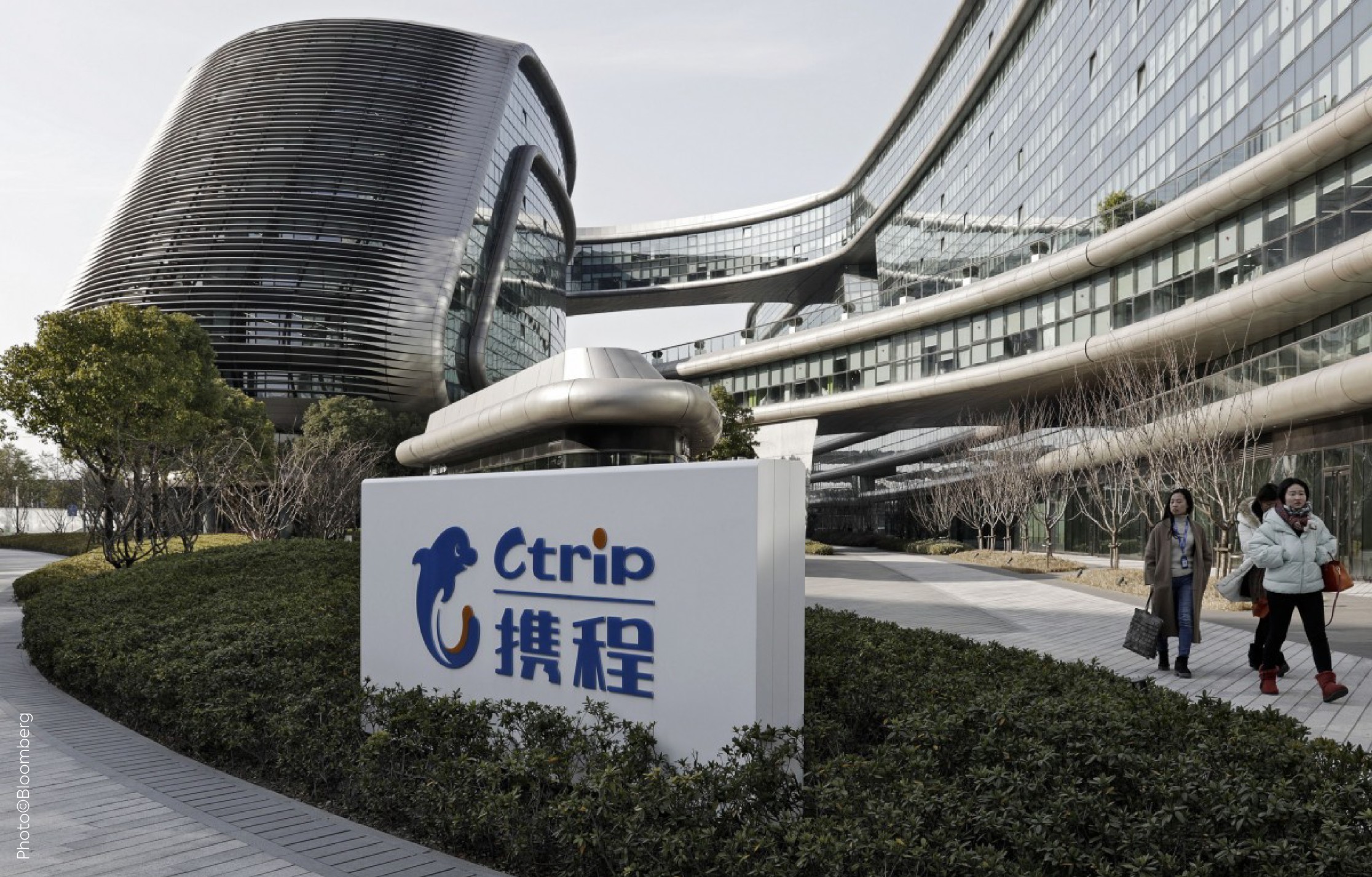
In 2013, Nicholas Bloom and James Liang made a nine-month study with 1.000 employees working at the giant Chinese travel agency Ctrip. Those born on even days worked from home 4 out of 5 days, while those born on odd days stayed in the office. The results: 13,5% increase in productivity by employees working from home and direct cost savings of $1.900 USD for each employee in that nine-month period.
There are, however, a number of downsides to remote work. And one of the most critical for corporations is innovation. Without the spontaneous exchange of ideas, the trust and social connections that are critical for innovation, companies will need to find new ways so that remote work is not a blocker for innovation processes.
Claromentis, a company that provides integrated digital workplaces, believes to have solved this by “prioritizing good communication, using project management tools and encouraging online learning”.
To keep the innovation flowing, companies are adopting different strategies so maintain closeness, like if they were at the office. New rituals are being adopted, like each employee to call 5 different colleagues that they usually would run into the office every week. Easier said than done but the HR role will be leading this transformation and accountable for the results.
7. Focus on efficiency and also on business resilience
Efficiency will be a key milestone for most corporations over the next year. Some will make the grueling journey of workforce optimization, trying to downsize while retaining talent and critical skills. HR will also be called to lead this process. We believe that it is equally important that HR focuses on creating a resilience mindset that not only supports efficiency but prepares the organization for challenging contexts[6]:
In a crisis:
Keep core roles and functions running in the organization;
Manage communications closely and regularly;
Provide precise operational guidelines and procedures to employees;
Demonstrate empathy in decisions and communications.
In uncertainty:
Give autonomy to those who want to stand out;
Decentralize decision making;
Prepare the organization so workforce segments can swiftly be reshaped or transitioned for more valuable roles.
After the crisis:
It’s not about survival, but flourishing coming out of a crisis. Resilient companies take this as a window to:
Accelerate change and transformation efforts;
Extend competencies (upskilling and reskilling);
Leverage opportunities.
Moving beyond
Resilient companies will take the chance to move out of the box to challenge assumptions and find alternative futures. This will be possible with a culture that embraces agility, technology and innovation.
8. Contingent workers are more relevant in the total workforce
According to Deloitte’s ‘Future of Work Accelerated’ report, three in five organizations (60%) are gauging the increasing share of gig workers to reduce the dependence on the full-time workforce. Allied to a cost-saving benefit, giggers today are no longer a low level, unqualified workforce segment. Nowadays, this significant group of people are highly qualified, with deep expertise and a broad knowledge of the market and business area, making them valuable assets for any company, creating win-win situations 1) for the company, that can hire for a period of time high qualified people to develop a specific project and 2) for the “gigger”, that can add relevant professional experience and be rewarded according to the work done and not by a market benchmark.
In this context, the HR role will be increasingly important given the need to ensure efficiency in the process – starting in the attraction of the right talent -, engagement and alignment of a new workforce that does not have a legal binding with the organization. As they gain importance in the workforce, giggers will have to be managed in the same dimensions as the traditional workforce but with a different lens.
Despite the role in leading the COVID-19 crisis, we at pur'ple believe that the greatest challenge to the HR is yet to come. The “new normal” is here to stay and it is key to embrace these transformations as a make it or break it situation to get a seat at the table.
Some might still say HR should remain aside, keeping its transactional role but history tells us that some amazing achievements and impactful changes happened when people were pushed to take the lead, even when outside what was considered their role. The HR role evolved more in the last six months than in the last decade, in some companies, so the moment is here.
We believe HR should become CPO.
***
Read more about our Trends’formation of work articles:
chapter 1 – seven drivers that shape the future
chapter 2 - purpose is an imperative
chapter 3 - rewire leadership
chapter 4 - organizations become ecosystems
chapter 5 - digital as a human experience
chapter 6 - go beyond the workspace
chapter 7 - create the collective brain
[1] Nobel Prize Organization: https://www.nobelprize.org/prizes/peace/1901/dunant/biographical/
[2] HRZone: https://www.hrzone.com/community/blogs/peter-remon/what-are-the-key-hr-challenges-post-covid
[3] Microsoft: https://www.microsoft.com/en-us/microsoft-365/blog/2020/05/01/how-leaders-bring-employees-together-covid-19/
[4] Agile Business: https://www.agilebusiness.org/news/510628/COVID-19-has-required-enhanced-organisational-agility-but-will-it-stick-as-the-lockdown-eases.html
[5] World Economic Forum: https://www.weforum.org/press/2020/01/the-reskilling-revolution-better-skills-better-jobs-better-education-for-a-billion-people-by-2030/
[6] Cranfield School of Management, David Denyer: https://blog.som.cranfield.ac.uk/execdev/latest-thinking-organizational-resilience